
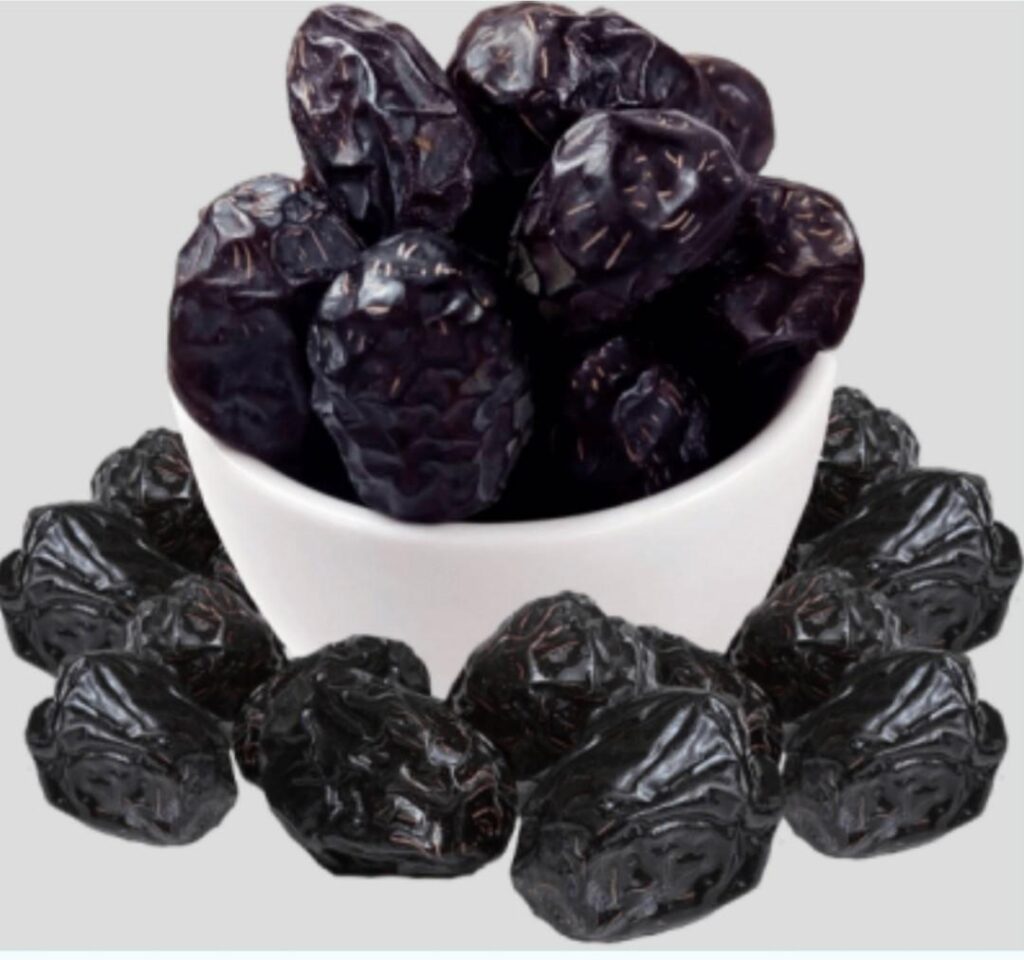
For date suppliers operating in Malaysia, understanding the factors that influence harga kurma Malaysia during peak seasons is crucial for maintaining profitability and meeting customer demand. The price of dates doesn't remain static throughout the year - it ebbs and flows based on a complex interplay of market forces. Let's examine the key elements that cause these fluctuations and how savvy suppliers can navigate them effectively.
The Seasonal Demand Surge Phenomenon
Malaysia's date market experiences predictable spikes in demand during specific periods, most notably during Ramadan and the Hari Raya festive season. This increased consumption creates a classic supply and demand scenario where prices naturally rise. The demand isn't just quantitative - consumers often seek higher quality varieties during these special occasions, further influencing the price of kurma Malaysia across different product tiers.
What many suppliers don't realize is that the price pressure begins well before the actual festive period. Smart consumers start their purchases early to avoid peak pricing, creating a secondary wave of demand that starts about two months before major festivals. This extended high-demand period means suppliers need to plan their inventory and pricing strategies over a longer timeframe than just the immediate festive weeks.
Import Dynamics and Currency Fluctuations
Since Malaysia imports the majority of its dates, international factors significantly impact price of kurma Malaysia. The country primarily sources dates from Middle Eastern nations, and any disruptions in these supply chains - whether due to political situations, climate factors affecting harvests, or logistical challenges - quickly reflect in local prices. Suppliers who maintain diversified sourcing networks tend to weather these fluctuations better than those reliant on single channels.
Currency exchange rates play an equally important role. The Ringgit's performance against currencies of producing countries directly affects import costs. A weaker Ringgit makes imports more expensive, and these increased costs typically get passed through the supply chain. Savvy suppliers monitor currency trends to time their purchases advantageously, sometimes securing forward contracts to lock in favorable rates.
Quality Grading and Its Price Impact
Not all dates are priced equally, and the quality grading system creates significant variations in price of kurma Malaysia. During peak seasons, the price gap between different quality tiers often widens. Premium grades (characterized by uniform size, perfect appearance, and optimal moisture content) command disproportionately higher prices when demand surges, while standard grades see more modest increases.
This quality-price relationship presents suppliers with strategic choices. Some opt to focus on premium segments during peak seasons, while others find better margins in serving the mass market with competitively priced standard grades. Understanding your customer base's preferences and price sensitivity is key to determining the right product mix for your business during these critical selling periods.
Logistics and Storage Costs Considerations
The logistical challenges of supplying dates during peak seasons contribute significantly to the final price of kurma Malaysia. Increased shipping costs, whether by sea or air freight, add to the landed cost of goods. During the pre-festive rush, freight rates often spike due to higher demand across all commodities, not just dates.
Storage becomes another critical cost factor. Suppliers need sufficient climate-controlled warehousing to maintain date quality during the extended high-demand period. Those who invest in proper storage infrastructure can buy in larger quantities during off-peak times when prices are lower, then release stock gradually as prices rise approaching the festive season. This strategy requires capital but typically yields better margins than last-minute purchases at peak prices.
Packaging and Presentation Premiums
Festive periods bring increased demand for premium packaging options, which adds another layer to the price of kurma Malaysia equation. While standard bulk packaging suffices for regular consumption, consumers willingly pay more for beautifully presented gift boxes during special occasions. This packaging premium can sometimes add 20-30% to the base price of the dates themselves.
Forward-thinking suppliers develop relationships with packaging specialists well in advance of peak seasons to secure better rates and ensure timely delivery of customized packaging materials. Some even offer tiered packaging options - from simple to luxurious - to cater to different customer segments and maximize their revenue potential during these critical selling windows.
Competitive Landscape and Pricing Strategies
The level of competition in the dates market intensifies during peak seasons, with pricing strategies varying significantly among suppliers. Some adopt a high-volume, low-margin approach to capture market share, while others position themselves as premium providers with corresponding price points. Understanding where your business fits in this spectrum is crucial for setting appropriate costs of kurma Malaysia that balances competitiveness with profitability.
Geographical factors also come into play. Prices in urban centers with higher purchasing power tend to support premium positioning, while rural markets may require more aggressive pricing. Suppliers with nationwide distribution networks often employ zone-based pricing strategies to optimize their returns across different market segments.
Consumer Trends Influencing Price Points
Modern consumer behavior continues to evolve in ways that affect price of kurma Malaysia. The growing health consciousness among Malaysian consumers has increased demand for organic and specialty date varieties, which command price premiums year-round but especially during festive seasons. Suppliers who can authentically position their products to meet these health trends often achieve better pricing power.
E-commerce has also changed the pricing landscape. Online platforms create price transparency that puts downward pressure on margins, but they also open new opportunities for suppliers to reach customers directly with value-added propositions that justify higher prices. The most successful suppliers develop omnichannel strategies that leverage both traditional and digital sales channels optimally.
Strategic Stock Management Approaches
Experienced date suppliers employ several stock management techniques to optimize their price of kurma Malaysia throughout the year. Many follow a cyclical purchasing pattern, building inventory during low-demand periods when prices are favorable, then strategically releasing stock as demand and prices rise. This approach requires careful market timing and financial resources but typically yields the best margins.
Another strategy involves product mix optimization. By offering a range of date varieties at different price points, suppliers can cater to broader market segments while protecting their overall margin structure. This might mean pairing high-margin premium items with more competitively priced standard offerings to create a balanced portfolio that appeals to diverse customer needs.
Building Supplier Resilience for Price Stability
Long-term relationships with reliable producers form the foundation for managing price of kurma Malaysia effectively. Suppliers who invest in these relationships often gain access to better pricing, priority allocation during tight supply periods, and more favorable payment terms. These advantages become particularly valuable during peak seasons when market conditions are most volatile.
Some forward-looking Malaysian suppliers are exploring vertical integration strategies, such as participating in overseas date farming ventures or establishing joint packing facilities. While these require significant investment, they offer greater control over supply quality and costs, providing a competitive edge in managing price points throughout the year.
Key Takeaways for Date Suppliers
- Seasonal demand creates predictable price patterns that can be strategically managed
- Import costs and currency fluctuations significantly impact final pricing
- Quality differentiation allows for premium pricing during peak periods
- Logistics and storage investments can yield long-term pricing advantages
- Packaging options provide additional revenue streams during festive seasons
- Understanding competitive dynamics helps in positioning price points effectively
- Consumer trends continue to evolve and create new pricing opportunities
- Strategic stock management smoothes out price volatility impacts
- Strong supplier relationships build resilience against market fluctuations