
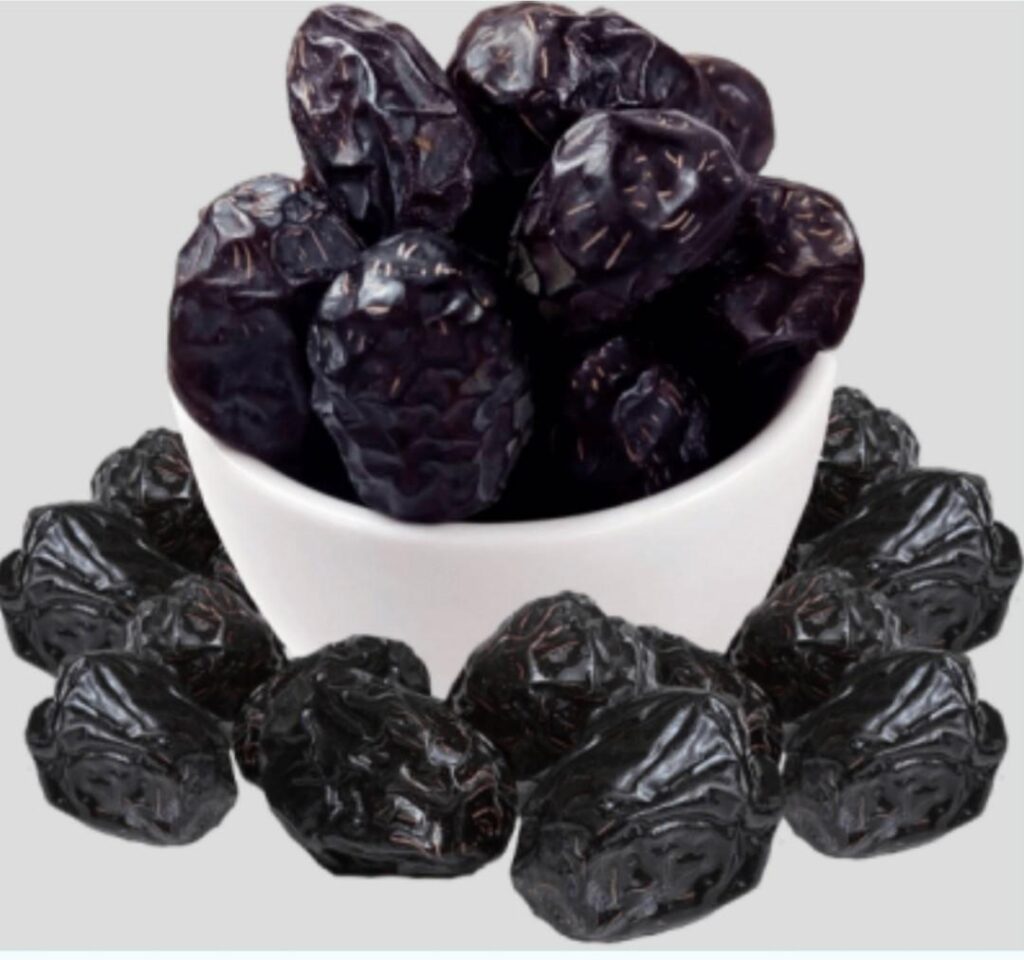
The demand for kurma Malaysia (Malaysian dates) has grown significantly in recent years, with many wondering if Malaysia produces its own dates and where to source them. This article explores the local date farming industry, key varieties grown, and where suppliers can purchase authentic Malaysian dates.
1. Does Malaysia Produce Its Own Dates?
While Malaysia traditionally imported dates, recent agricultural advancements have made local date palm cultivation possible. Here’s what you need to know:
A. Climate Adaptation Efforts
- Date palms typically thrive in arid regions, but selected Malaysian farms have successfully grown them in controlled environments.
- Modified irrigation and soil treatments help replicate desert-like conditions.
B. Commercially Viable Malaysian Date Farms
- Several farms in northern and east coast states have begun harvesting dates.
- Production is still limited but expanding due to increasing demand.
C. Common Malaysian-Grown Date Varieties
- Sekki – A semi-dry variety with a caramel-like taste.
- Barhi – Soft, golden dates often sold fresh.
- Mabroom – A premium variety with a rich, syrupy flavor.
2. Where Can Suppliers Buy Malaysian Dates?
A. Direct from Local Farms
- Some farms sell wholesale quantities to distributors.
- Visiting farms ensures quality verification before bulk purchases.
B. Agricultural Cooperatives & Government Initiatives
- Certain agencies support local date farming and connect suppliers with producers.
- Subsidized pricing may be available for bulk buyers.
C. Specialty Wholesale Markets
- Dedicated agro-food markets often carry local dates in season.
- Prices are competitive compared to imported options.
D. Online B2B Marketplaces
- Several platforms now list Malaysian-grown dates for wholesale.
- Look for verified sellers with farm-direct partnerships.
3. Benefits of Sourcing Malaysian Dates
A. Fresher Supply Chain
- No long import delays mean better shelf life.
- Reduced risk of spoilage during transit.
B. Supporting Local Agriculture
- Helps grow Malaysia’s emerging date farming industry.
- Potential for exclusive supplier agreements as production expands.
C. Competitive Pricing
- Lower transportation costs compared to Middle Eastern imports.
- No import duties or currency fluctuation risks.
4. Challenges in the Local Date Market
A. Limited Production Scale
- Current output can't fully replace imports yet.
- Seasonal availability may affect year-round supply.
B. Consumer Awareness
- Many buyers still prefer traditionally imported dates.
- Requires marketing to highlight local date quality.
5. Future Outlook for Malaysian Dates
- Research is ongoing to develop more climate-resistant date palms.
- Government and private sector investments may boost production.
- Potential for Malaysia to become a regional date exporter in coming years.
Conclusion
While Malaysia’s date production is still developing, kurma Malaysia (Malaysian dates) are becoming increasingly available for suppliers. By sourcing directly from farms or through agricultural networks, businesses can access fresher dates while supporting local growers. As the industry expands, early partnerships with Malaysian date farms could provide a competitive advantage.
Key Takeaways
- Malaysia now produces dates through specialized farming methods.
- Local varieties like Sekki and Barhi are gaining commercial traction.
- Farms, cooperatives, and online platforms offer wholesale purchasing options.
- Sourcing locally provides freshness and supply chain benefits.