
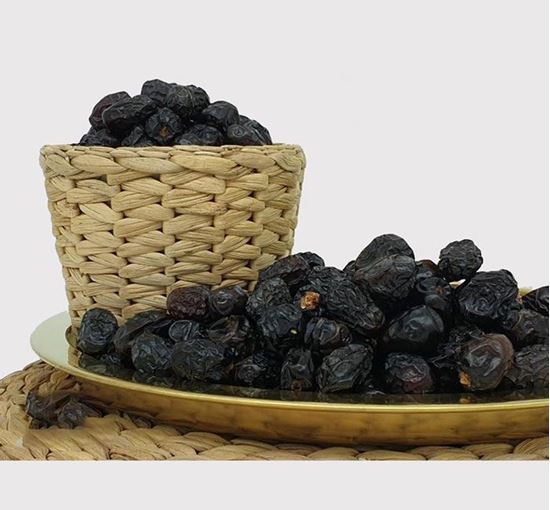
The journey of a date from palm to consumer involves numerous steps, but perhaps none is more crucial than proper storage. Maintaining the perfect balance of atmospheric conditions can mean the difference between delivering a premium product and experiencing significant losses through spoilage or quality degradation. For everyone involved in the date supply chain, understanding the precise environmental requirements for date preservation is essential for protecting product quality, reducing waste, and ensuring customer satisfaction. The science behind dates storage reveals why these delicate fruits require specific conditions to maintain their signature texture, flavor, and nutritional value over extended periods.

Dates are living products that continue to respire even after harvesting, meaning they interact with their storage environment in ways that can either preserve or diminish their quality. The two most critical factors in date storage are temperature and humidity control, which work together to slow natural degradation processes without damaging the fruit's cellular structure. When these elements are properly balanced, dates can maintain their optimal characteristics for months or even years. However, when these conditions are not properly maintained, several undesirable transformations can occur, including sugar crystallization and fermentation, which fundamentally alter the fruit's quality and marketability.
Optimal Temperature Range for Date Preservation
Temperature control represents the cornerstone of effective date storage. The ideal temperature range for preserving dates long-term falls between 0°C and 4°C (32°F to 39°F). Within this range, the fruit's metabolic processes slow significantly, delaying ripening and preventing the development of off-flavors while maintaining the date's natural moisture content. Temperatures below this range risk freeze damage, which can disrupt the date's cellular structure and lead to textural changes upon thawing. Temperatures above this range accelerate enzymatic activity and microbial growth, significantly reducing shelf life. Commercial storage facilities typically use sophisticated refrigeration systems that maintain consistent temperatures with minimal fluctuation, as even temporary spikes can initiate quality deterioration.
Ideal Humidity Levels for Date Storage

Humidity control is equally crucial for date preservation, working in concert with temperature management to maintain ideal conditions. The recommended relative humidity for date storage ranges between 65% and 75%. This range prevents excessive moisture loss that would cause the dates to harden and become unpleasantly chewy while avoiding the high humidity levels that encourage microbial growth. In environments with humidity below this range, dates lose moisture to the atmosphere through evaporation, leading to texture changes and weight loss that diminish both quality and value. Humidity levels above the recommended range create conditions where moisture condenses on the fruit's surface, providing the perfect environment for mold and yeast development.
Understanding Sugar Crystallization in Dates
Improper storage conditions frequently lead to sugar crystallization, a process where the natural sugars within dates migrate to the surface and form gritty crystals. This phenomenon occurs primarily when dates experience temperature fluctuations that cause moisture to evaporate from the fruit, concentrating the sugar solution within the date until it becomes supersaturated and crystals begin to form. Dates with higher glucose content relative to fructose are particularly susceptible to crystallization, as glucose has lower solubility and crystallizes more readily. While crystallized dates remain safe for consumption, the gritty texture and dull appearance significantly reduce their market value and consumer appeal. Maintaining consistent temperature and humidity prevents the moisture migration that drives this process.

Preventing Fermentation in Stored Dates
Fermentation represents a more serious quality issue resulting from improper storage conditions. This process occurs when naturally occurring yeasts on the date skin become active in the presence of excess moisture and favorable temperatures. These microorganisms convert the dates' sugars into alcohol and carbon dioxide, creating off-flavors, softening the fruit's texture, and eventually leading to complete spoilage. High humidity environments, particularly those above 75% relative humidity, dramatically increase fermentation risk. Similarly, storage temperatures above 4°C accelerate microbial activity, while poor ventilation allows alcohol vapors to accumulate, further encouraging the process. Fermented dates develop a distinctive sour odor and mushy texture that renders them unsalable.
Packaging Solutions for Date Preservation
Appropriate packaging serves as the first line of defense against atmospheric challenges to date quality. Modern date packaging creates modified atmospheres that slow deterioration by controlling oxygen and carbon dioxide levels around the fruit. Many suppliers use vacuum sealing or nitrogen flushing to remove oxygen that would otherwise support microbial growth and oxidative reactions. Moisture-proof barriers prevent humidity exchange between the dates and the external environment, while light-blocking materials protect against photo-degradation that can affect color and nutrient content. For bulk storage, food-grade containers with proper sealing mechanisms maintain the delicate balance between protecting dates from moisture loss and preventing condensation that could initiate fermentation.

Monitoring and Maintenance Best Practices
Successful long-term date storage requires continuous monitoring and adjustment of atmospheric conditions. Commercial storage facilities employ sophisticated environmental control systems that track temperature and humidity levels with digital precision, making automatic adjustments as needed. Regular manual inspections complement these systems, allowing trained personnel to detect early signs of quality issues before they affect entire batches. Proper air circulation throughout the storage space prevents microclimates from developing where temperature or humidity might differ from the overall environment. Documentation of storage conditions throughout the preservation period provides valuable data for quality control and helps identify patterns that might predict future issues.
Managing Transitions Between Storage Environments
The movement of dates between different storage environments presents particular challenges for quality preservation. Sudden transitions from cold storage to room temperature can cause condensation to form on the fruit's surface, creating ideal conditions for microbial growth. Best practices involve gradual temperature acclimation over 24-48 hours to minimize condensation risk. Similarly, dates moving from low-humidity to high-humidity environments may absorb excess moisture, altering their texture and potentially initiating fermentation. Understanding these transition risks helps a dates supplier develop protocols that maintain date quality throughout the distribution chain, from bulk storage to retail display to consumer pantries.
The careful balance of temperature and humidity in date storage represents a fascinating intersection of food science and practical commerce. By understanding and maintaining the critical atmospheric conditions that preserve date quality, suppliers protect their products' value and ensure consumers receive dates at their flavorful best. The alternative—improper storage leading to sugar crystallization or fermentation—demonstrates how sensitive these natural products are to their environment. As consumer expectations for quality continue to rise, mastery of these storage principles becomes increasingly essential for everyone involved in bringing dates from grove to table.